Hello from Yonsei JW Dental Clinic in Gangnam, Seoul, South Korea.
Many patients ask us:
- “Can I get dental implants if I have diabetes?”
- “Is implant surgery safe when I have high blood pressure or other medical conditions?”
Because the average age of patients receiving dental implants is relatively high, it’s very common for patients to have systemic conditions such as diabetes, hypertension, or osteoporosis. In these cases, proceeding with implant surgery immediately is not always possible. A safe treatment plan requires an accurate diagnosis from experienced clinicians and close collaboration with your primary physician.
However, people in their 30s–40s often assume they are “healthy,” even when they have undiagnosed hypertension or elevated blood sugar levels. Without proper evaluation, implant surgery in these situations can lead to unexpected complications.
According to the Korean Society of Hypertension (Hypertension Fact Sheet 2024), an estimated 890,000 Korean adults in their 20s and 30s already have hypertension—many without knowing it. Westernized diets, lack of exercise, and high stress levels contribute to rising rates of hypertension and diabetes in younger adults. What makes this group particularly vulnerable is their low awareness and low treatment rate.
Therefore, before dental implant surgery, it’s essential that patients share all medications they are currently taking, and clinicians must check blood pressure, blood sugar levels, and overall health to create a safe and personalized treatment plan.
Dental Implants for Patients With High Blood Pressure
For patients with hypertension, blood pressure can rise sharply during surgery due to stress. This is why stable blood pressure control before surgery is essential.
If you are taking your blood pressure medication regularly and maintaining stable readings, implant surgery is typically safe. On the day of surgery:
- Get enough rest
- Minimize anxiety and stress
- Avoid caffeine and alcohol
- Refrain from strenuous physical activity, sauna use, or hot baths
Uncontrolled high blood pressure can increase bleeding and delay healing. If you experience prolonged bleeding, swelling, or severe pain after surgery, contact your clinician promptly for evaluation.
Dental Implants for Patients With Diabetes
Patients with diabetes have a higher risk of infection and slower wound healing. But the key factor is how well the diabetes is controlled.
Recent studies show that when HbA1c is below 7%, diabetic patients have implant success rates nearly identical to healthy individuals.
For safe surgery:
- Ensure blood sugar is stable before the procedure
- Delay surgery if blood sugar is not well controlled
- Maintain excellent oral hygiene afterward
- Take prescribed antibiotics and anti-inflammatory medications as directed
- Visit the clinic regularly to monitor implant stability
Controlled diabetes = safe implant surgery with high success rates.
Dental Implants for Patients With Osteoporosis
Osteoporosis reduces bone density and strength, which can affect the jawbone and implant stability.
Patients taking osteoporosis medications such as bisphosphonates or denosumab may have an increased risk of medication-related osteonecrosis of the jaw (MRONJ).
Before implant surgery, it is critical to:
- Review all osteoporosis medication types
- Confirm dosage and duration
- Consult with your internal medicine physician about possible temporary discontinuation
- Assess bone quality via radiographs or CBCT scans
Proper evaluation allows safe and predictable treatment outcomes.
Advances in Dental Implant Safety for Patients With Systemic Diseases
Having diabetes, hypertension, or osteoporosis does not mean you cannot receive dental implants. In the past, chronic medical conditions were considered contraindications. But thanks to advancements in dental technology and improved systemic disease management, many patients can now receive implants safely if certain conditions are met.
Modern advancements include:
- Minimally invasive surgical techniques
- Digital surgical guides for precise placement
- Improved infection control systems
- Real-time monitoring of vital signs during surgery
- Effective antibiotic and anti-inflammatory regimens
The key factors are disease control, pre-surgical evaluation, and the experience of your dental team.
Real Clinical Cases
Case 1: 76-year-old male, diabetes (HbA1c 6.5%)
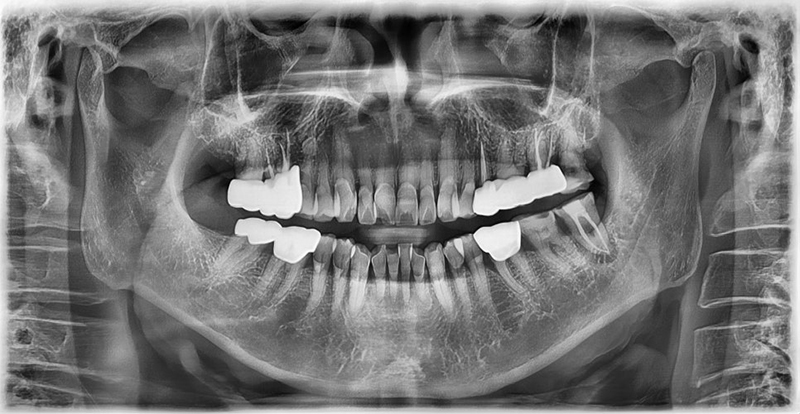
The patient visited us due to discomfort in the lower right molar. Although he had diabetes, his HbA1c was well controlled at 6.5%. The tooth had a root fracture and required extraction.
During anesthesia, his blood sugar temporarily spiked due to stress, so we monitored his glucose every 10 minutes until it stabilized below 200 mg/dL. After stabilization, extraction was completed safely.
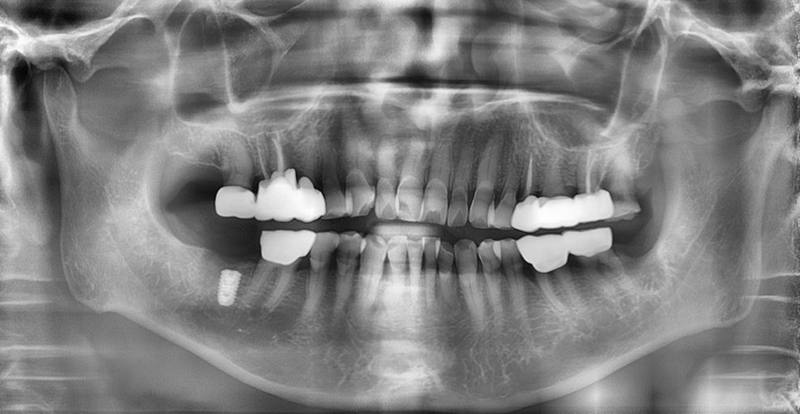
One month later, we placed the implant, and the patient reported no discomfort.
After three months, the implant prosthesis was successfully delivered.
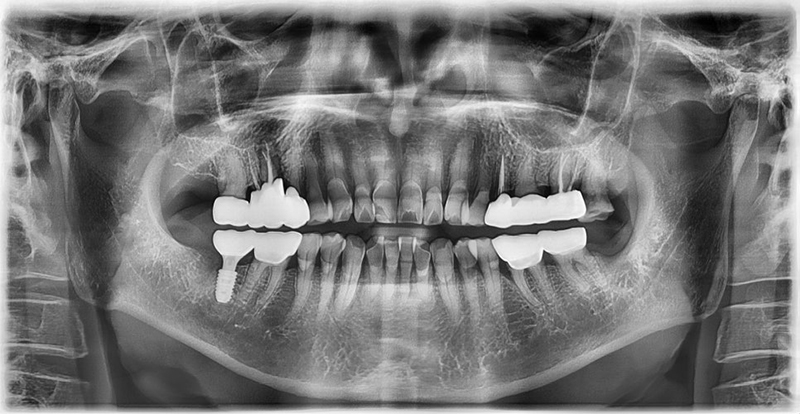
Case 2: 81-year-old male, hypertension
This patient visited us complaining of pain and sensitivity in his lower right molar. He had a history of hypertension and was taking daily medication.

Bleeding control during extraction was stable, so after consulting his physician, we proceeded with implant surgery without stopping his blood pressure medication.
He experienced no pain or bleeding issues after the procedure and was highly satisfied with the outcome.
Three months later, the implant prosthesis was placed successfully.

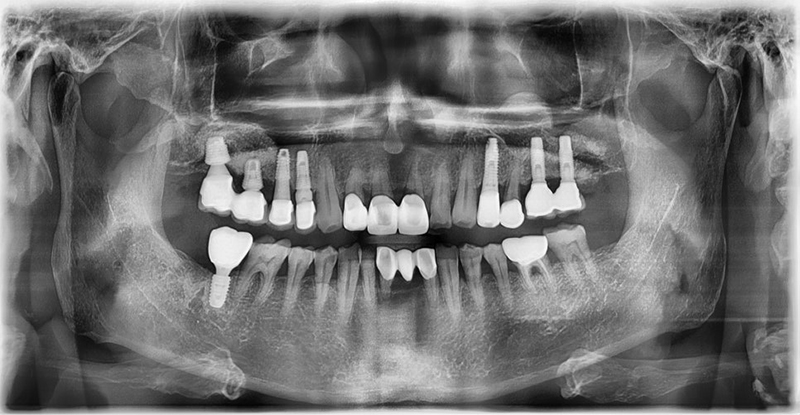
Can Patients With Systemic Diseases Receive Dental Implants Safely? Yes.
As shown in these cases, patients with chronic conditions such as diabetes or hypertension can successfully undergo implant surgery when:
- Their condition is properly managed
- They receive thorough pre-surgical evaluation
- Treatment is performed by experienced clinicians
- Regular follow-up care is maintained
Recent research indicates that when systemic diseases are controlled, implant success rates are comparable to those of healthy patients.
In other words, what matters most is not the disease itself, but the degree of control, the clinician’s experience, and clear communication between patient and doctor.
If you have a chronic condition and are considering dental implants, don’t focus only on whether it is “possible.” Instead, consult with a specialist to determine how to receive safe, personalized treatment based on your current health.
At Yonsei JW Dental Clinic in Gangnam, our dental implant procedures are performed by Dr. Ji Ho Ahn, a prosthodontist who graduated from Seoul National University. With extensive clinical experience and a proven track record of successfully handling complex cases, Dr. Ahn delivers high-quality implant outcomes. We strictly adhere to evidence-based treatment protocols and never recommend unnecessary procedures such as sinus lifts when they are not truly needed.

During consultations, we provide thorough explanations about the different types of implants available—whether it’s a single implant, bridge-type, or full-mouth implants—as well as the most suitable brands and grades for each individual case. Using digital diagnostics, we develop a systematic and customized treatment plan tailored to each patient.
Unlike many other clinics in the Gangnam area, where patients often receive only a few minutes with the dentist and most of the consultation is handled by administrative staff, you can rest assured that all consultations at our clinic are conducted directly with the doctor. This allows you to ask questions and receive clear, expert guidance in a comfortable and trustworthy environment.

If you’re considering dental implants, you’ve probably already researched a lot of information by searching terms like “Gangnam implant clinic” or “implant dentist near me.” Still, hearing a detailed explanation directly from a qualified specialist will provide the clarity and confidence you need to make the right decision.
Google Map and Reviews
연세정원치과 Yonsei JW Dental Clinic at Gangnam · 서울특별시 강남구 대치동 도곡로 541 3층
4.9 ⭐ · 서울특별시의 치과의사
www.google.com
Book Online Today!
Whatsapp: https://wa.me/8225012879
